Back to top

Batch Mixer Machine

AP Engineering Works deals in manufacturing and supplying industrial grade Batch Mixer Machine units. These automated machines are commonly used in various industries such as food, chemical, pharmaceutical, and more for efficient and quick mixing of various types of raw materials in large volumes. The frame and components of these machines are fabricated by using top-quality alloyed steel that provides high rigidity and strength to withstand extreme industrial conditions. These machines are suitable for small as well as large-scale production. These industrial machines greatly improve productivity as well as reduce manual labor. Clients can get these heavy-duty machines with the assurance of fast and safe delivery.

Batch Mixer Machine

Batch mixer machines are specified by key technical details including capacity (volume and weight), material of construction (e.g., stainless steel), motor power, automation grade, and physical dimensions. These specifications vary widely based on the intended application, from food processing to heavy construction. Key Specifications Specification Description Capacity Defined by volume (liters, cubic feet) or weight per batch (kg, tonnes), which can range from lab-scale (2 kg) to industrial (thousands of liters). Material of Construction Typically high-grade stainless steel (SS304 or SS316) for hygiene in food and pharma industries, or mild steel for general industrial and construction use. Motor Power Measured in HP or kW, varying with the mixer's capacity and the material's viscosity (e.g., 2 HP to 15 HP). Automation Grade Ranges from manual or semi-automatic operation to fully automatic systems with PLC/HMI integration, timers, and sensors. Voltage & Power Source Common options include 220V/380V/440V, single or three-phase electric power, or diesel engines for portable construction mixers. Design Type Includes various configurations like U-type/ribbon, vertical, pan, or planetary mixers, each suited for different material properties. Dimensions & Weight Overall physical size (length, width, height) and weight, which are important for factory space and portability considerations. Discharge Mechanism Features can include manual/automatic valves, plug gates, or an extruder arrangement after the batch is complete for efficient unloading.
Price: 40000 INR/Piece

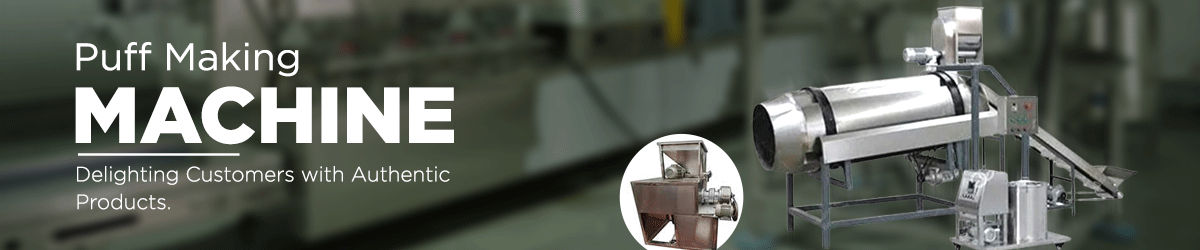
Masala Mixing Drum

Masala mixing drums (typically industrial ribbon blenders or drum mixers) have specifications primarily defined by their capacity, material of construction (food-grade stainless steel), and motor power, which vary based on the scale of production. Key Technical Specifications Specification Feature Details Sources Material of Construction Stainless Steel (SS 304 or SS 316) is standard for all contact parts to ensure hygiene and corrosion resistance. Mild Steel (MS) is sometimes used for the external frame/body. Capacity Highly variable; commercial/industrial models range from 10 kg to over 2000 kg per batch/hour. Common batch sizes are 30 kg, 50 kg, and 150 kg. Motor Power Ranges from 0.5 HP to 10 HP (or more for very large systems) to drive the mixing mechanism. Power Source Can be operated on single or three-phase power supply, with voltages typically ranging from 110V to 440V. Mixing Mechanism Most commonly a ribbon type blender with a double helical ribbon agitator inside a U-shaped trough to ensure uniform blending. Speed Mixing speeds are often around 20-60 RPM for efficient blending without damaging the spices. Automation Grade Available as manual, semi-automatic, or fully automatic systems, with options for computerized PLC control in high-end models. Dimensions Custom-made to fit specific space requirements. Drum lengths can be 1.5 feet, 3 feet, or 5 feet, for example.
X